Study of Personal Protective Equipment
The Study of PPE was developed with Hasiru Dala as a report that highlights the correlation between the wellbeing of waste pickers at the workplace and the gaps in current safety equipment towards the development of a community-engaged design-brief for new PPE.
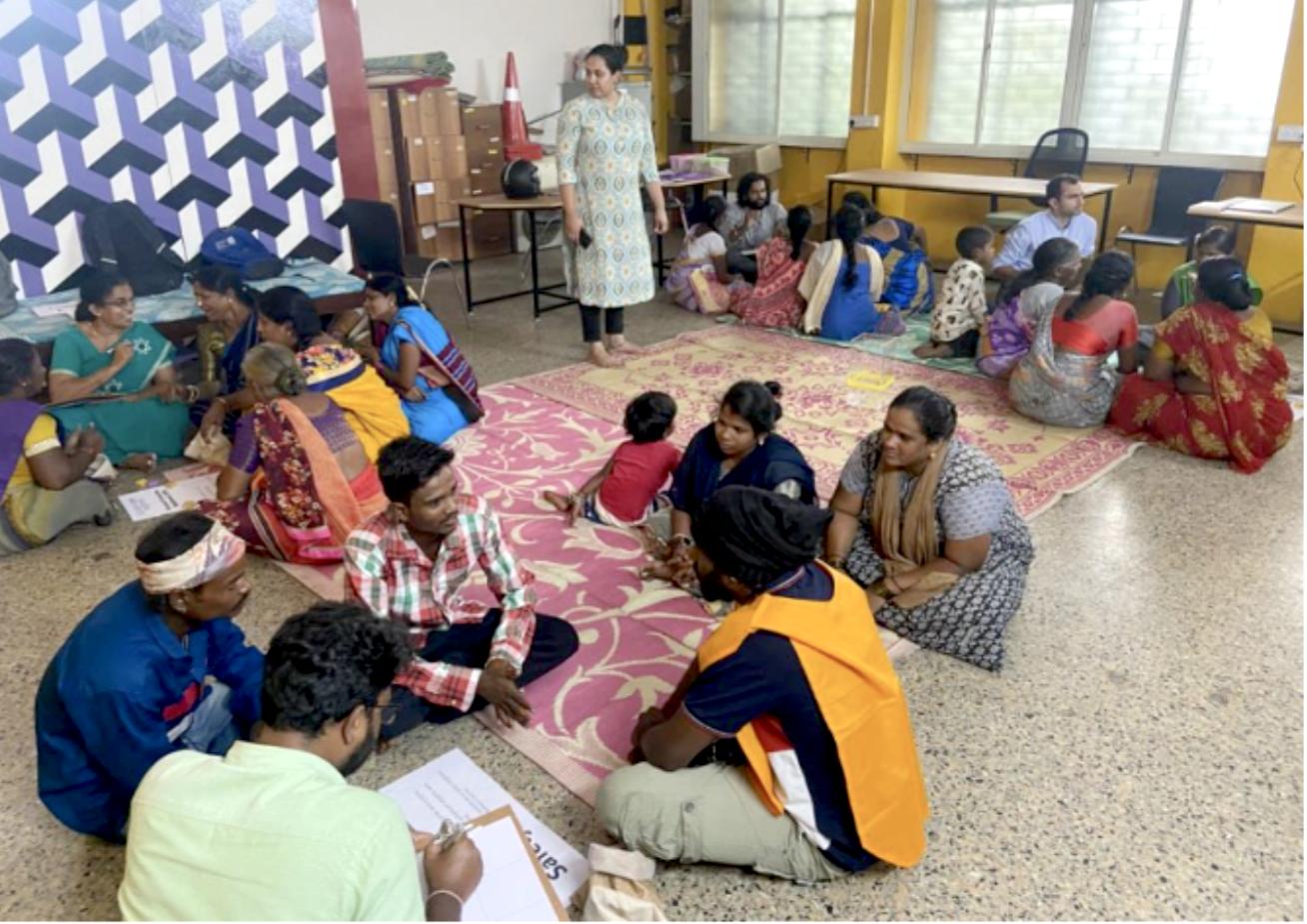
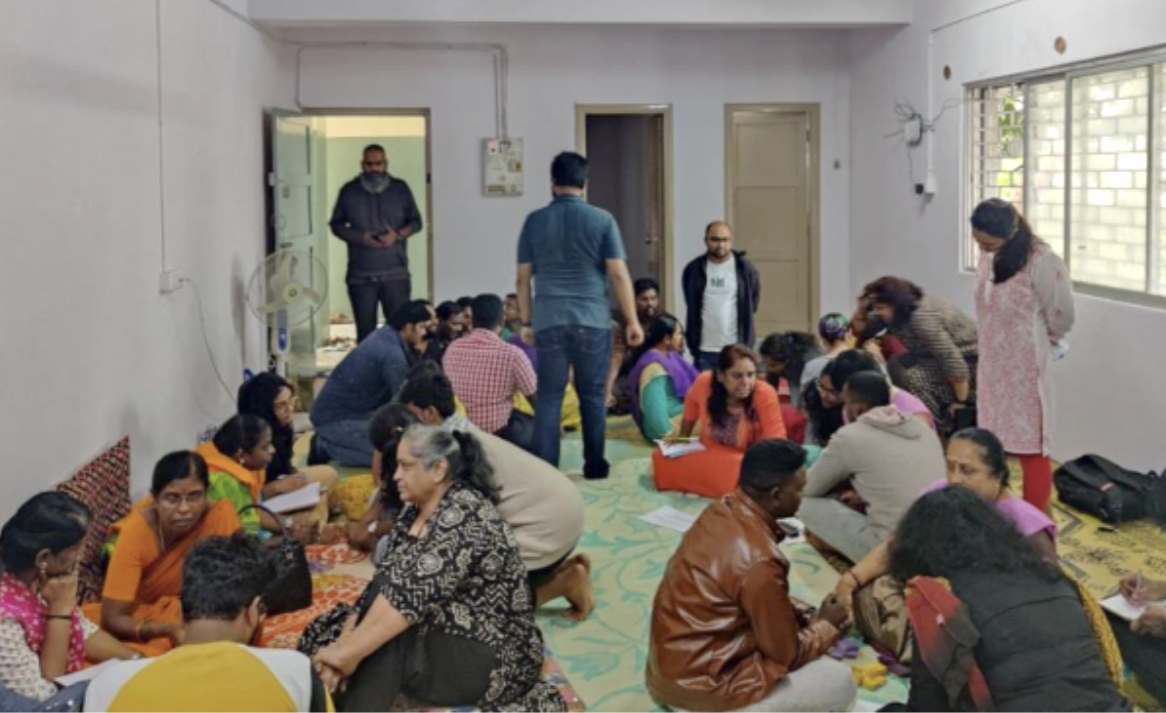
The Study of PPE report is a comprehensive documentation of the challenges in the design and adoption of PPE and the design interventions that are required to address these challenges. The report was prepared using information obtained through a series of workshops and a survey conducted with waste pickers and Hasiru Dala staff members who work with waste picker communities.
The study attempts to expand the view of PPE from equipment that protects frontline workers against immediate exposure to equipment that can prevent long term injury to workers involved in waste management. This is significant in the context of Bangalore, which has nearly 25,000 waste pickers who occupy various roles in urban waste management, including street-based waste collection, deposition of waste at decentralized collection points, and facilitation of waste collection centers and aggregation points. Waste pickers in different roles are exposed to varied health and safety concerns depending on their exposure to waste quality, weight, sharpness, and toxicity, as well as exposure to a different set of physical stresses.
The Study of PPE analyses narratives from waste picker communities and other stakeholders who work with waste picker communities to identify the most pressing health and safety concerns facing workers in waste management and the potential sources of these risks. On the basis of this analysis, the Study of PPE recommends certain technical, social, and institutional considerations that are necessary to address the adverse outcomes resulting from exposure.
Technical considerations are related to the design of PPE components, including specialized gloves that protect dry waste sorters and collectors from cuts and injuries; and face masks that are breathable, easy to maintain, and help protect against pollution-related respiratory issues. Social considerations are related to relevant awareness and training sessions for the proper use of PPE and safety while handling waste for smooth adaptability and ensuring that the trainings provide space for the waste workers to get accustomed to the PPE and equipment. Institutional aspects talk about ensuring the PPE is affordable, accessible and readily available for waster picker communities. Additionally, establishing a feedback system to examine any updates required on PPE and equipment, and a monitoring system to ensure access and use of PPE were part of the recommendations.
Partner: